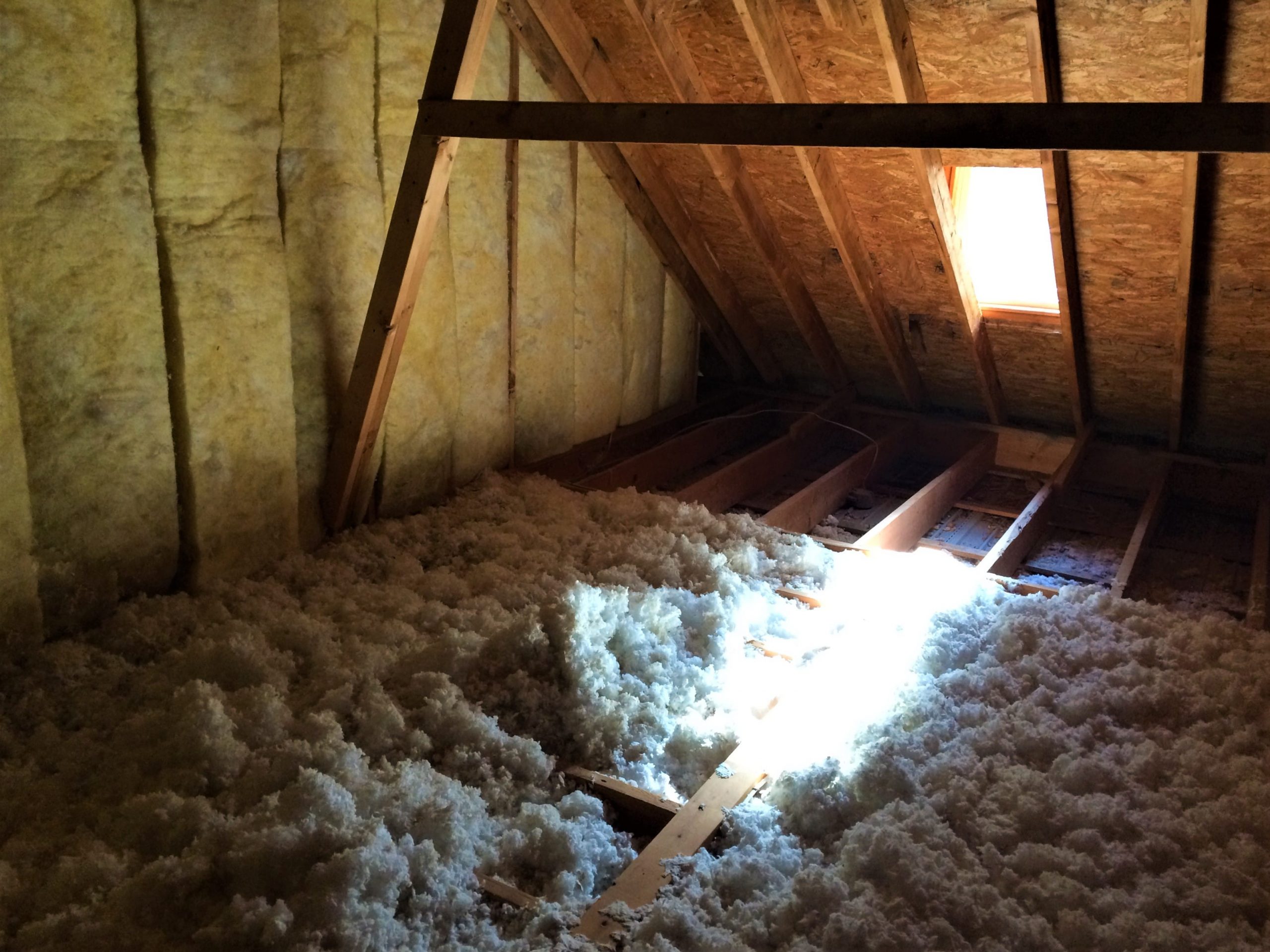
Cellulose insulation Is a kind of wood- or paper-based item. It’s used to fill empty spaces at the structural portion of a home to slow down the transmission of cold or heat. Cellulose insulation is thick, dense, and clumpy, with a consistency much like feathers. The chief value of the shape and dimensions is the insulating material can match in enclosed spaces (like walls) and can conform around obstructions such as wires and ducts (found either in walls and in attics).
Cellulose insulation can come from any mobile plant Source, like corncobs or sisal. But commercial cellulose insulations Are generally derived from wood, and more specifically from paper: Recycled papers, cardboard, office paper, and other common waste Paper products. For this reason, cellulose insulation is considered an Eco-friendly home merchandise.
Loose-fill cellulose insulation can settle about and conform to the majority of the obstructions found in walls and attics.
Loose-fill cellulose is relatively cheap, yet still has an R-value of about 3.5 percent of thickness, compared to fiberglass’ R-value involving R3 to R4 per inch.
When walls have been already completed, injecting loose-fill cellulose insulation is one of the few ways of adding insulation. 1 alternative is to pull the drywall and utilize fiberglass batts.
Cellulose insulation stands up fairly well against insects and vermin because it is treated with boric acid.
For attics, the joists are often accessible and open and thus could be coated with either blow-in cellulose or fiberglass batts. But due to obstacles such as wires (and only because of its sheer ease), cellulose insulation is often blown into attics, as well.
Cellulose Insulation vs. Other Forms
With walls that are closed, you have few other choices but to blow in insulation. Unless your house is going through some renovation where the walls are opened up, holes will need to be bored into the insulation and walls injected. Here, the traditional favorite is blow-in cellulose insulation, although spray-in foam is becoming steadily more common.
With open walls, you can install fiberglass roll insulation, even though spray-applied foam insulation is also feasible.
For attics, the joists are often accessible and open and thus could be insulated with either blow-in cellulose or fiberglass batts. However, due to obstacles such as wires (and just because of its utter simplicity ), cellulose insulation is often blown into attics, as well.
Is Blown Cellulose Insulation a Fire Hazard?
Cellulose insulation’s source paper in its raw state is combustible. But during manufacturing, cellulose insulation is treated with borates, which are Class I flame retardants. Class I refers to ordinary combustibles like wood and paper, as opposed to Class II combustibles, including flammable liquids, grease, gasoline, oil, etc..
As a demo of cellulose insulation’s fire-retarding capacity, it’s possible to use a blowtorch to warp a cent resting on a bed of cellulose insulation stored in your hand. Does the cellulose remain unaffected even while the penny starts to melt, but the insulating value of this cellulose is such that no heat is felt by the hand holding the experimentation?
