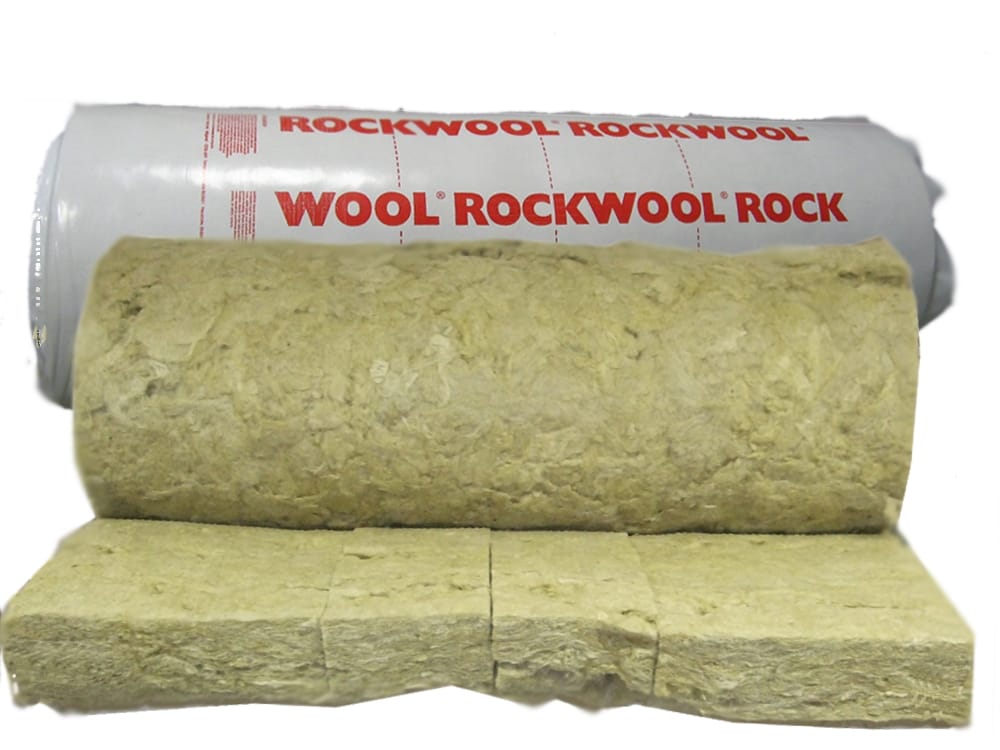
Rockwool insulation is a rock-based mineral fiber insulation made from Basalt rock and recycled slag. Basalt is a volcanic rock that is naturally made by the Earth. Think Hawaiian islands. Slag is a by-product of this steel and copper industry. Believe Pittsburgh Steelers. We are in the Burgh — couldn’t withstand a Steelers reference. These fibers are subsequently forced into batts which slide between studs or joists.
If you’re wondering, between 16% to 40 percent of Rockwool is made from pre-consumer poisonous material. Let’s get into the 3 reasons my wife and I chose this kind of insulation.
Soundproofing
Research Google and you will find Rockwool insulation normally gets voted among the best options for soundproofing. It helps with both low and higher frequency sounds. Quick storyback in school my first dorm was below a helicopter pad near the local hospital. Between that and ambulances it was a rough first session.
Bottom line:
If you’d like better sleep and live in a noisy area then Rockwool could help. Sure, you are going to have to eliminate the existing drywall or plaster. But installing Rockwool is simple and quick.
Moisture
This is really important in bathrooms because a certain amount of water vapor gets into the walls while you’re showering. We learned this quite a while ago while attending a Schluter course on KERDI-BOARD.
Provided that the speed of water vapor infiltration is lower compared to the rate of evaporation the stud wall ought to be okay. Fiberglass insulation on the other hand will eliminate R-Value over time when exposed to water vapor.
Rockwool insulation is moisture resistant nevertheless vapor permeable. If it becomes damp or moist, the insulation (when dried out) will maintain the original performance attributes.
What’s more, stone wool insulation does’t wick water. Any water that contacts the outer surface will drain and never be absorbed into the body of their insulation.
Fire Resistant
Mineral wool withstands intense heat better than other kinds of insulation. In a fire, the batts keep their shape and offer better protection against fire spread. And you builders could want to learn that when they’re combined with specific fire-rated sheathing, mineral wool batts can be used to make a one-hour-fire-rated assembly without any extra labor.
Price and availability
On a square-foot foundation, mineral wool batts cost more than fiberglass batts. As an example, the R-15 mineral wool costs about 80cents per sq. ft. vs. 60cents for fiberglass. Be aware, however, that you may have to special-order mineral wool batts. We used Roxul r worth insulation batts.
